
Discover how transparent technology is revolutionizing Malaysia’s architecture scene.
From enhancing sustainability to seamlessly integrating with urban environments, the future holds boundless possibilities.
Dive into the advantages, challenges, and upcoming trends that designers and developers are navigating in this dynamic landscape.
Explore how this innovative approach is reshaping the way buildings interact with their surroundings and how you can be a part of this exciting transformation.

Advantages of Transparent Technology
In the realm of architecture, the advantages of transparent technology are evident in enhancing sustainability and promoting innovative design solutions. By incorporating transparent materials like glass or polycarbonate panels, you can maximize natural light within a space, reducing the need for artificial lighting and cutting down on energy consumption. This not only lowers utility costs but also lessens the building’s environmental impact, making it more sustainable in the long run.
Additionally, transparent technology allows for better heat regulation within a structure. The use of advanced glazing systems can help control the amount of heat entering a building, leading to improved thermal comfort for its occupants. This efficient management of heat can result in decreased reliance on heating and cooling systems, further decreasing energy usage and operational expenses.
Moreover, the transparency offered by such technology opens up opportunities for creative and modern design solutions. Architects can play with light, shadows, and reflections to craft visually stunning spaces that inspire awe and creativity. Embracing transparent technology not only benefits the environment but also elevates the aesthetic appeal of architectural designs.
Sustainable Design Solutions
For creating sustainable design solutions in Malaysia’s architecture scene, you should aim to integrate transparent technology with eco-friendly materials and energy-efficient systems. By combining these elements, you can reduce the environmental impact of buildings while enhancing their efficiency and aesthetics.
One way to achieve sustainability is by incorporating green building materials such as recycled steel, bamboo, or reclaimed wood. These materials not only minimize resource depletion but also promote a healthier indoor environment. Additionally, utilizing energy-efficient systems like solar panels, rainwater harvesting, and natural ventilation can significantly decrease a building’s energy consumption and carbon footprint.
Moreover, integrating transparent technology, such as smart glass windows or facades, can optimize natural light exposure and regulate internal temperature, reducing the need for artificial lighting and air conditioning. This not only saves energy but also creates a more comfortable and productive space for occupants.
Integration in Urban Environments
To effectively integrate transparent technology in Malaysia’s architecture scene, urban environments must embrace innovative designs that harmonize with the surrounding infrastructure and community needs. The integration of transparent technology in urban settings can enhance the overall aesthetic appeal of the cityscape while also improving functionality and sustainability. By strategically incorporating transparent elements into buildings and public spaces, architects and urban planners can create dynamic environments that promote transparency, connectivity, and sustainability.
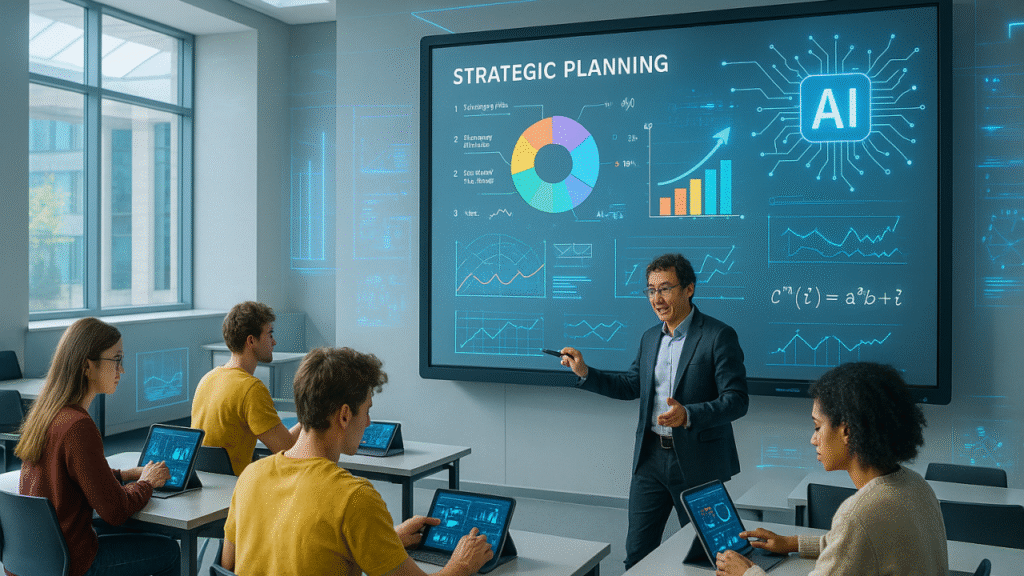
In urban environments, the seamless integration of transparent technology can offer numerous benefits such as increased natural light, improved energy efficiency, and enhanced visual connections between indoor and outdoor spaces. Transparent facades, smart glass technologies, and interactive displays can transform traditional architectural designs into modern, interactive structures that respond to the needs of the community.
Challenges for Designers and Developers
Navigating the integration of transparent technology in urban environments poses various challenges for designers and developers. One significant obstacle is the balance between functionality and aesthetics. Transparent technology needs to seamlessly blend into the architectural design while also serving its purpose effectively. This requires careful planning and coordination between architects and technology experts to ensure a harmonious integration.
Another challenge is the issue of privacy and security. Transparent technology, such as smart glass or interactive displays, raises concerns about data protection and unauthorized access. Designers and developers must implement robust security measures to safeguard sensitive information while still providing a captivating user experience.
Furthermore, the cost of implementing transparent technology can be prohibitive. The advanced materials and technology required for these innovations often come with a high price tag, making it challenging for designers and developers to incorporate them into their projects without exceeding budget constraints.
Overcoming these challenges requires creativity, technical expertise, and a deep understanding of both architectural principles and technological advancements. By addressing these issues thoughtfully, designers and developers can unlock the full potential of transparent technology in Malaysia’s architecture scene.
Future Trends and Innovations
Addressing the two major challenges discussed previously, one must foresee the future trends and innovations in transparent technology within Malaysia’s architecture scene. In the upcoming years, advancements in smart glass technology are anticipated to revolutionize the way buildings interact with their surroundings. These smart glass solutions won’t only provide enhanced energy efficiency by adjusting tint levels based on sunlight exposure but also offer privacy options through dimming features.
Furthermore, the integration of augmented reality (AR) and virtual reality (VR) technologies into architectural design processes is set to become more prevalent. Architects and designers will be able to visualize and modify designs in real-time, enhancing collaboration and efficiency in project development.
Moreover, the rise of sustainable and eco-friendly building materials will continue to shape the architectural landscape in Malaysia. Transparent solar panels, for instance, can be incorporated into building facades to harness renewable energy without compromising aesthetics. These innovations demonstrate a shift towards more environmentally conscious practices in architecture, aligning with global sustainability efforts.
Conclusion
As you look ahead to the future of transparent technology in Malaysia’s architecture scene, the possibilities are endless.
With its advantages in sustainability and integration, designers and developers have a chance to create innovative and futuristic structures.
Despite the challenges they may face, the potential for new trends and innovations in this field is exciting.
Embrace this evolution and shape the landscape of Malaysian architecture for generations to come.