
Heel pain most often reflects localized tissue overload. Common causes include plantar fascia degeneration at its calcaneal insertion mobile podiatrist for elderly near me, Achilles tendon tendinopathy or rupture, bursitis from shoe friction, heel spurs causing focal weightbearing pain, and nerve entrapment or referred lumbar pathology. Timing, location, and activity triggers—first steps after rest, posterior stiffness, or radiating paresthesia—help distinguish diagnoses. Initial care emphasizes load modification, stretching, and supportive footwear; further sections outline diagnostic tests and advanced treatments.
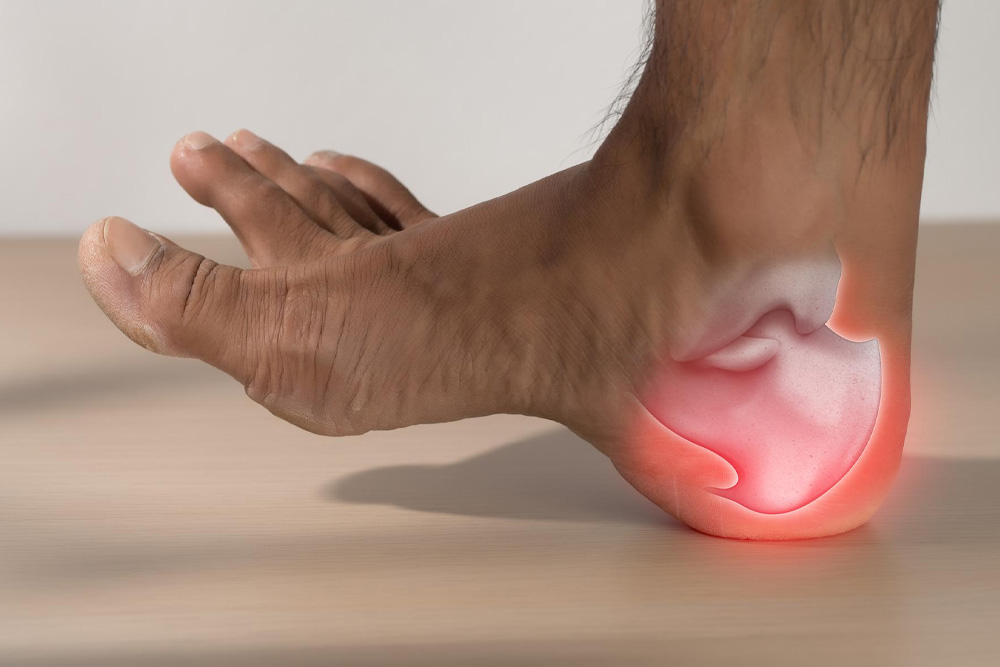
Common Signs That Tell You What Type of Heel Pain It Is
Frequently, patients can distinguish the likely cause of heel pain by noting specific clinical features such as pain timing, location, and quality. The clinician evaluates localized swelling versus diffuse tenderness to differentiate traumatic, inflammatory, or neuropathic origins.
An activity trigger that reproduces symptoms suggests overuse or biomechanical overload; worsening with rest implies inflammatory pathology People Podiatry. Night pain or persistent morning stiffness favors inflammatory arthropathy rather than simple strain.
Assessment of shoe fit and pressure points identifies extrinsic etiologies such as bursitis or irritation from footwear. Sensory testing for radiating numbness and paresthesia detects nerve entrapment or radiculopathy.
Objective inspection, targeted palpation, and functional provocation tests yield decisive information guiding focused imaging or conservative management aligned with patient autonomy.
Plantar Fasciitis: Causes, Hallmark Symptoms, and First-Line Fixes
How does plantar fasciitis develop and present? Plantar fasciitis arises from repetitive microtears and collagen degeneration of the plantar fascia at its calcaneal insertion.
Clinically, patients report sharp, localized heel pain on first steps after rest, improving with activity but worsening after prolonged loading. Examination reveals point tenderness at the medial calcaneal tuberosity and limited ankle dorsiflexion.
Risk factors include sudden increases in activity, poor foot mechanics, obesity, prolonged standing, and inadequate footwear.
First-line management emphasizes relative load modification, targeted plantar fascia stretching, graduated strengthening, appropriate supportive shoes or orthoses, and night splinting to maintain dorsiflexion during sleep. Analgesia and short-term immobilization may be used selectively.
Referral is indicated for persistent symptoms beyond conservative measures.
Achilles Tendinitis and Tendon Problems: How They Differ and What Helps
Plantar fascia pathology and Achilles tendon disorders both cause posterior or inferior heel pain but arise from distinct anatomic structures and mechanisms; recognizing these differences directs specific treatment.
Achilles tendinitis typically presents with gradual posterior heel pain, stiffness after rest, and tenderness along the tendon and its insertion. Degenerative tendinopathy features collagen disruption, neovascularization, and risk of tendon rupture, especially with acute overload or corticosteroid exposure.
Management prioritizes load modification, progressive eccentric loading protocols, structured physical therapy, and heel lifts or night splints when indicated. Acute tears require urgent assessment and imaging; complete tendon rupture often needs surgical consultation.
Systemic contributors—fluoroquinolones, inflammatory disease, metabolic factors—should be evaluated. Rehabilitation emphasizes progressive, autonomous return to desired activities under clinician guidance.
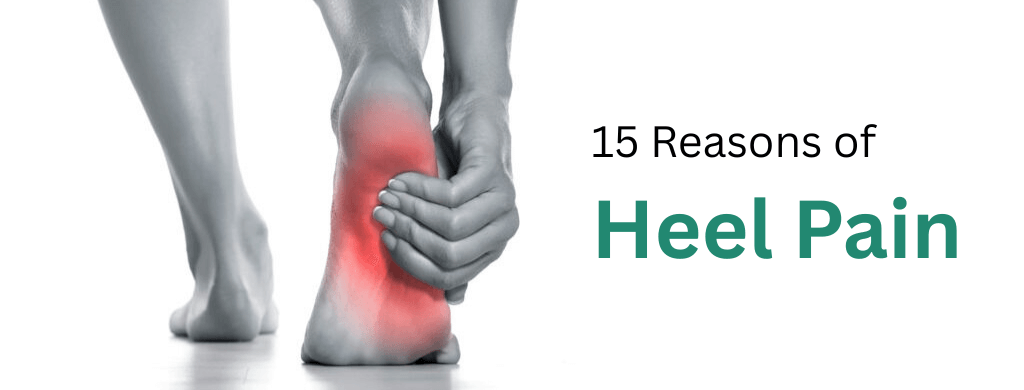
Other Causes: Heel Spurs, Bursitis, Nerve Entrapment, and Referred Pain
Considering alternative etiologies clarifies presentations of heel pain that do not fit classic plantar fascia or Achilles tendon patterns. The differential includes structural, inflammatory, neural, and referred sources that constrain mobility and autonomy without obvious local tendon pathology.
- Heel spurs: bony protrusions at the calcaneus may coexist with plantar fasciopathy but more often represent chronic traction remodeling; they can focalize pain with weightbearing and pressure.
- Bursal irritation: adventitious or retrocalcaneal bursae become inflamed from repetitive shearing or footwear friction, producing localized tenderness and swelling posteriorly or inferiorly.
- Nerve entrapment and referred pain: tibial nerve branches or proximal lumbar pathology can mimic heel-origin pain, yielding paresthesia, burning, or diffuse ache that undermines functional independence.
When to See a Doctor, Tests They’ll Run, and Treatment Options Beyond Home Care
When should medical evaluation be sought for persistent or atypical heel pain? A clinician recommends when to consult if pain persists beyond six weeks, worsens, follows trauma, causes gait changes, or is accompanied by systemic signs. Diagnostic options include targeted history, physical exam, weight-bearing X-rays, ultrasound for soft tissue, MRI for occult pathology, and nerve conduction studies when entrapment is suspected. Treatment options beyond home care range from orthotics and immobilization to corticosteroid injection, extracorporeal shockwave therapy, and surgery for refractory cases. Interdisciplinary referral (podiatry, orthopedics, neurology, physical therapy) preserves patient autonomy while optimizing outcomes.
| Indication | Diagnostic option | Intervention |
|---|---|---|
| Persistent pain | X-ray/ MRI | Orthotics |
| Suspected tear | Ultrasound | Immobilization |
| Nerve signs | NCS | Steroid injection |
| Refractory case | MRI | Surgery |
Conclusion
Heel pain arises from diverse etiologies requiring targeted assessment and management. Distinguishing plantar fasciitis, Achilles tendinopathy, bursitis, spur formation, nerve entrapment, and referred lumbar or peripheral sources is essential for accurate diagnosis. Early conservative measures—activity modification, stretching, orthotics, and NSAIDs—address most cases; persistent, progressive, or neurologic symptoms warrant imaging and specialist referral. Precise identification of the underlying pathology optimizes treatment selection and improves functional outcomes while minimizing recurrence.