
In Malaysia, e-invoicing is revolutionizing the way businesses handle their invoicing processes. By transitioning to electronic exchanges, organizations can streamline operations, reduce errors, and enhance cash flow management sap b1. The adoption of e-invoicing offers a more efficient and cost-effective solution for managing financial transactions. As businesses strive for greater efficiency and transparency in their operations, understanding the intricacies of e-invoicing in Malaysia becomes increasingly crucial.
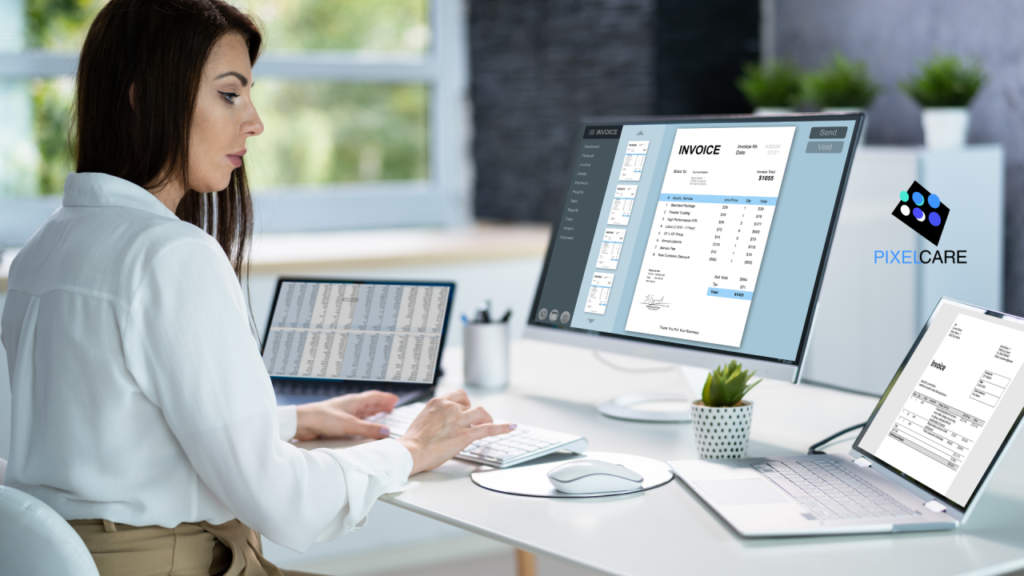
E-Invoicing Overview in Malaysia
In Malaysia, e-invoicing is rapidly gaining traction as businesses seek efficient and cost-effective ways to manage their invoicing processes. This digital transformation allows companies to streamline their invoicing procedures, reducing manual errors and saving time. E-invoicing enables the direct electronic exchange of invoices between suppliers and buyers sap business one malaysia, eliminating the need for paper-based invoices. By embracing e-invoicing, businesses in Malaysia can enhance their operational efficiency and improve cash flow management.
One significant advantage of e-invoicing is its ability to automate the invoicing process, reducing the time and resources required for manual invoicing tasks. This automation leads to quicker invoice processing, faster payment cycles, and better tracking of payment statuses. Additionally, e-invoicing enhances transparency in transactions, as all invoicing data is stored digitally and can be easily accessed when needed. Overall, adopting e-invoicing in Malaysia presents a promising opportunity for businesses to modernize their invoicing practices and achieve greater efficiency in financial operations.
Regulatory Framework for E-Invoicing
The regulatory framework governing e-invoicing in Malaysia establishes guidelines and standards for electronic invoicing practices within the country’s business landscape. The Malaysian government, through the Royal Malaysian Customs Department, has implemented the Sales and Service Tax (SST) Act 2018, which includes provisions for electronic invoicing.
This framework outlines the technical requirements, legal obligations, and security measures that businesses must adhere to when transitioning to e-invoicing. It aims to promote efficiency, transparency, and compliance in financial transactions while reducing the environmental impact of paper-based invoicing.
By setting clear guidelines, the regulatory framework ensures that e-invoicing processes are standardized across industries, facilitating interoperability and seamless integration into existing business systems. Compliance with these regulations is essential for businesses looking to adopt e-invoicing practices in Malaysia, as non-compliance can result in penalties or legal consequences.
Understanding and following the regulatory framework is crucial for businesses seeking to leverage the benefits of e-invoicing while operating within the bounds of the law.
Benefits of E-Invoicing Adoption
By adopting e-invoicing in Malaysia, you can benefit from cost savings advantages through reduced paper usage and streamlined processes. The efficiency and accuracy of e-invoicing systems can enhance your business operations by minimizing errors and delays in invoicing processes.
Embracing e-invoicing can lead to improved financial management and better relationships with your clients through faster and more secure transactions.
Cost Savings Advantages
Achieve significant cost savings through the adoption of e-invoicing, streamlining your financial processes and reducing operational expenses. By transitioning to e-invoicing in Malaysia, you can eliminate the costs associated with paper, printing, and postage.
Manual data entry errors are minimized, reducing the need for costly corrections. Additionally, e-invoicing facilitates faster invoice processing, leading to improved cash flow management and reduced late payment penalties.
Automation of invoice approval workflows further enhances efficiency, saving valuable time and resources. Overall, the cost savings advantages of e-invoicing not only benefit your bottom line but also contribute to a more sustainable and environmentally friendly business operation.
Efficiency and Accuracy
Enhancing your financial processes and reducing operational expenses, adopting e-invoicing in Malaysia brings about significant benefits in efficiency and accuracy. By automating the invoicing process, you can eliminate manual errors, reduce processing time, and enhance the overall accuracy of your financial data.
E-invoicing allows for real-time tracking of invoices, enabling better visibility into payment status and potential issues. With streamlined workflows and automated validations, you can ensure that invoices are processed promptly and accurately. This efficiency not only saves time but also minimizes the risk of errors that can lead to costly discrepancies.
Embracing e-invoicing in Malaysia can revolutionize your financial operations, paving the way for smoother processes and improved accuracy in managing your invoices.
E-Invoicing Implementation Process
Implementing E-Invoicing in Malaysia involves several key steps:
- Assess your current invoicing procedures to identify areas for automation or improvement through electronic invoicing.
- Select a reputable e-invoicing service provider that aligns with your business needs and complies with Malaysian regulations.
- Train your staff on using the new e-invoicing system effectively to maximize benefits and ensure a smooth transition.
- Conduct thorough testing to address potential issues before fully implementing e-invoicing across your operations.
- Regularly monitor and evaluate the e-invoicing process to make necessary adjustments for continued efficiency and compliance.
E-Invoicing Service Providers in Malaysia
When considering e-invoicing service providers in Malaysia, prioritize selecting a provider that offers comprehensive features and aligns with your business requirements for seamless integration. Look for providers that offer user-friendly interfaces, customizable templates, automated invoicing processes, and secure data storage.
Popular e-invoicing service providers in Malaysia include:
- Financio, which offers a cloud-based platform with features like invoicing, inventory management, and financial reporting.
- Kakitangan, which provides an all-in-one HR and accounting solution with e-invoicing capabilities.
- Deskera, which offers a comprehensive business management suite that includes e-invoicing, accounting, CRM, and inventory management.
Consider factors such as pricing, scalability, customer support, and user reviews when choosing a provider. Ensure that the e-invoicing service provider complies with regulatory requirements and data protection laws in Malaysia to safeguard your business information.
Security and Compliance Considerations
Prioritize ensuring your e-invoicing service provider’s security measures align with regulatory requirements and data protection laws in Malaysia. Verify that the provider offers encryption protocols to safeguard your data during transmission and storage. Additionally, confirm if they have mechanisms in place to prevent unauthorized access and ensure the integrity of your e-invoices.
Compliance with Malaysia’s Personal Data Protection Act (PDPA) is crucial when selecting an e-invoicing service provider. Ensure that they adhere to the PDPA’s guidelines regarding the collection, processing, and storage of personal information. Moreover, assess if the provider follows industry best practices and standards to enhance the security of your e-invoicing system.
Regularly review your e-invoicing service provider’s security policies and procedures to stay updated on any changes that may affect your compliance status. By staying informed and actively engaging with your provider on security matters, you can ensure a secure and compliant e-invoicing system for your business operations.
Cost Savings With E-Invoicing
To maximize your business’s efficiency and financial gains, consider the significant cost savings that can be achieved through adopting e-invoicing solutions. E-invoicing eliminates the costs associated with paper, printing, and postage, leading to immediate savings.
Additionally, manual data entry is reduced, minimizing the risk of errors and saving valuable employee time that can be allocated to more strategic tasks. By streamlining the invoicing process, businesses can also benefit from faster payment cycles, improving cash flow and reducing the need for financing.
Furthermore, e-invoicing allows for better tracking and management of invoices, reducing the likelihood of late payments or missed invoices that could result in financial penalties. Overall, the switch to e-invoicing not only cuts down on operational costs but also enhances overall financial efficiency, making it a smart investment for businesses looking to optimize their processes and bottom line.
Integration of E-Invoicing Systems
Consider integrating e-invoicing systems to streamline your invoicing processes and enhance operational efficiency. By integrating e-invoicing systems, you can automate the generation, sending, and receiving of invoices, reducing manual errors and saving time. These systems can also facilitate seamless communication between your accounting software and your partners or clients, ensuring accurate and timely invoicing.
Furthermore, the integration of e-invoicing systems allows for real-time tracking of invoice statuses, enabling you to monitor payments and follow up on outstanding invoices promptly. This transparency can lead to improved cash flow management and better financial planning for your business.
Moreover, e-invoicing integration can enhance security by encrypting sensitive financial data and providing secure channels for invoice exchange. This reduces the risk of fraud and data breaches, safeguarding your business’s financial information.
E-Invoicing Vs. Traditional Invoicing
When comparing E-invoicing to traditional invoicing, consider the speed of processing, cost efficiency, and compliance with regulations.
E-invoicing often accelerates the invoice processing timeline, leading to quicker payments and improved cash flow management.
Furthermore, the automated nature of e-invoicing can result in reduced operational costs and improved accuracy in financial transactions.
Lastly, e-invoicing systems can help ensure businesses stay compliant with changing regulations, avoiding penalties and streamlining audit processes.
Speed of Processing
In comparing the speed of processing between E-Invoicing and Traditional Invoicing in Malaysia, E-Invoicing typically offers a significantly faster turnaround time due to its automated nature. E-Invoicing systems can generate and send invoices instantly, eliminating the delays often associated with manual processing in Traditional Invoicing.
This rapid transmission of invoices expedites the overall payment process, leading to quicker settlements and improved cash flow for businesses. Additionally, E-Invoicing reduces the likelihood of errors that can occur in manual data entry, further streamlining the processing speed.
Cost Efficiency Comparison
For businesses in Malaysia, switching to E-Invoicing instead of Traditional Invoicing can result in substantial cost savings and improved financial efficiency. E-Invoicing eliminates the need for paper, printing, and postage costs associated with traditional invoices.
Additionally, the automation of the invoicing process reduces the time and resources required for manual data entry, processing, and reconciliation. This increased efficiency leads to lower operational costs and quicker payment cycles.
With E-Invoicing, you can also avoid expenses related to errors in manual invoicing, such as incorrect data entry or lost invoices. Overall, transitioning to E-Invoicing presents a cost-effective solution that can positively impact your company’s bottom line in Malaysia.
Compliance With Regulations
Switching to E-Invoicing in Malaysia can have a significant impact on your company’s compliance with regulations compared to Traditional Invoicing. E-Invoicing ensures that your invoices adhere to the Malaysian regulatory requirements, reducing the risk of non-compliance penalties.
With E-Invoicing, you can easily track and store invoices electronically, ensuring they meet the necessary legal standards. This digital format also streamlines auditing processes, making it easier to provide documentation when required by authorities.
Unlike Traditional Invoicing, E-Invoicing provides a more secure and tamper-proof system, safeguarding your company’s financial data. By embracing E-Invoicing, you not only enhance compliance with regulations but also improve efficiency in managing your invoicing processes.
Future Trends of E-Invoicing in Malaysia
As businesses increasingly embrace digital transformation, the future trends of e-invoicing in Malaysia point towards streamlined processes and enhanced efficiency. One key trend is the adoption of cloud-based e-invoicing solutions, providing businesses with the flexibility to access and manage invoices anytime, anywhere. This shift towards cloud services allows for seamless integration with other financial systems, automating processes and reducing manual errors.
Another significant trend is the incorporation of AI and machine learning technologies into e-invoicing systems. These technologies can analyze data patterns, predict invoice processing times, and flag any anomalies or discrepancies, ultimately improving accuracy and reducing processing times. Additionally, AI-powered e-invoicing systems can learn from historical data to optimize workflows continuously.
Furthermore, the future of e-invoicing in Malaysia may see an increased focus on sustainability and environmental responsibility. Moving towards a paperless invoicing system not only reduces costs but also minimizes carbon footprints, aligning businesses with global sustainability goals. Embracing these trends will undoubtedly drive efficiency and productivity in the Malaysian business landscape.
Conclusion
In conclusion, e-invoicing in Malaysia offers a streamlined and cost-effective solution for businesses to manage their invoicing processes. With a supportive regulatory framework and a growing number of service providers, the adoption of e-invoicing is on the rise.
The benefits of e-invoicing, such as improved efficiency and transparency in financial transactions, make it a valuable tool for businesses looking to enhance their operations. As the digital transformation continues to evolve, e-invoicing will likely play a key role in shaping the future of financial transactions in Malaysia.